




SpaceX goes public June 12. Investors will chase the stock. Traders should trade the blast radius.
One of the biggest IPOs in history is expected to hit the Nasdaq next week. With an estimated valuation approaching $2 trillion and a potential $75 billion raise, SpaceX isn't just another stock listing. It's a market event.
The headlines will focus on the stock itself. The smart money will focus on the impact.
While investors are asking how to buy SpaceX, prop traders should be asking a different question: How will SpaceX affect the Nasdaq? The answer could create opportunities that extend far beyond the stock itself.
Most Prop Traders Won't Be Trading SpaceX
Ironically, one of the most anticipated stocks in market history will not be available to many prop traders on day one. Many prop firms limit access to newly listed stocks during the initial trading period. Liquidity concerns, volatility, risk controls, and platform restrictions often delay access until well after the opening frenzy subsides.
That means many funded traders won't be able to participate directly in the IPO. But they may not need to. Because a company the size of SpaceX will influence far more than its own share price.
Why SpaceX Matters to NQ Traders
When a company worth nearly $2 trillion enters the public market, money moves. Retail investors want exposure. Institutions want exposure. Hedge funds want exposure. The excitement alone could provide a short-term boost to Nasdaq sentiment as investors pile into one of the most recognizable growth stories of the decade.
SpaceX sits at the intersection of several themes that Wall Street loves: artificial intelligence, space exploration, satellite communications, defense technology, and infrastructure. That combination could drive increased participation across technology and growth stocks during the first few weeks after the IPO.
For traders focused on Nasdaq futures, that's where the opportunity begins.
The Forced Buying Effect
One of the biggest catalysts may have nothing to do with rockets.
It has to do with indexes.
Nasdaq has already adjusted rules that could allow SpaceX to be added to the Nasdaq-100 surprisingly quickly. Once that happens, passive funds that track the index will have no choice but to buy shares. QQQ, index funds, pension funds, and institutional portfolios will all need exposure.
These investors aren't making a discretionary decision. They are simply following the rules of the index.
That creates mechanical demand that can support both the stock and broader technology sentiment. For traders, it means the Nasdaq could receive a short-term boost from both excitement and forced buying on June 12th.
But There Is Another Side to the Story
Mega-IPOs don't create money. They attract it.
And that money has to come from somewhere.
If institutions want billions of dollars worth of SpaceX shares, they may reduce positions in existing holdings to fund those purchases. That creates the potential for capital rotation throughout the Nasdaq. Some stocks may benefit while others experience temporary selling pressure.
The result could be a much choppier market than many investors expect.
Then there is the Elon Musk factor. Tesla investors know exactly what that means. SpaceX will likely trade on headlines, social media posts, launch schedules, regulatory developments, and investor expectations. As the company becomes a larger component of major indexes, those swings could increasingly influence the broader market.
History Says Don't Chase the IPO
This is where investors often make their biggest mistake.
The excitement surrounding an IPO is usually strongest on day one. The returns often aren't.
Many of the most celebrated IPOs of the last decade delivered painful drawdowns after the initial hype faded. Robinhood fell roughly 90%. Rivian lost nearly 90%. Lyft dropped almost 80%. Coinbase fell more than 50%. Even Facebook declined more than 50% before eventually becoming one of the market's greatest long-term success stories.
The lesson is simple: investors buy the dream, but markets eventually price reality.
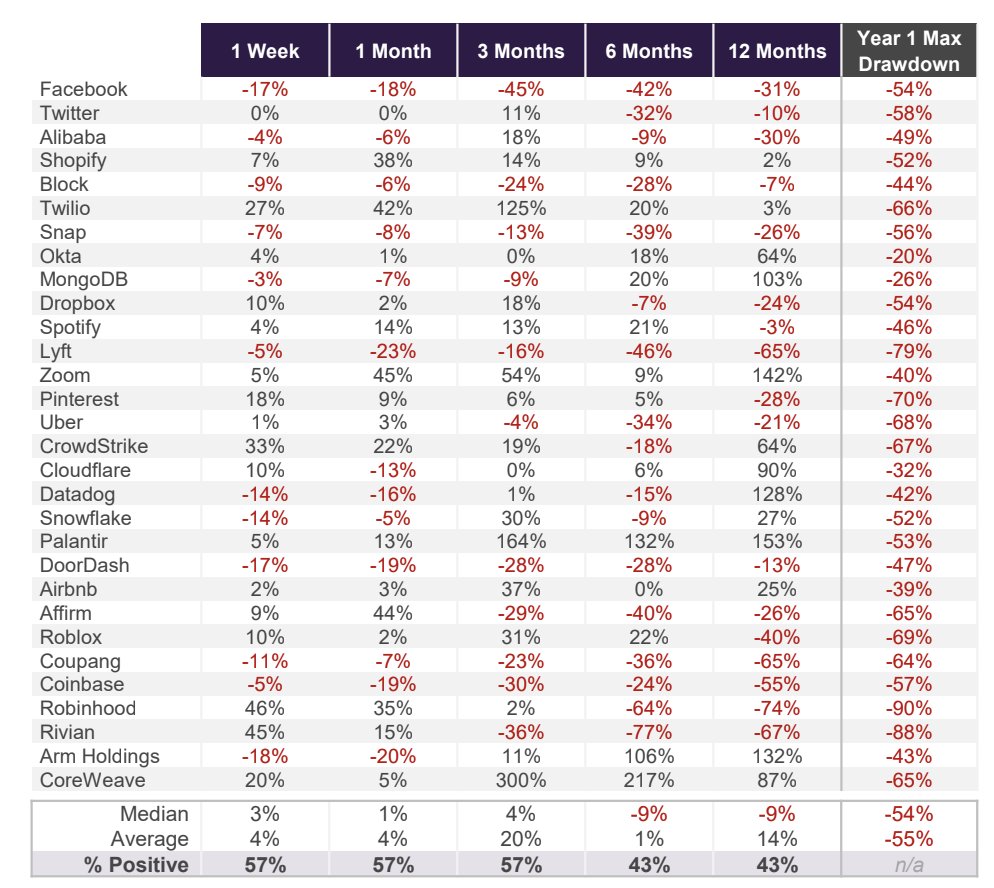
The chart above highlights just how brutal that process can be. Across some of the biggest IPOs and growth stories of the past decade, the average maximum drawdown exceeded 50%. In other words, buying the IPO and holding through the volatility has historically been a painful strategy.
How Traders Can Profit
The best trade may not be buying SpaceX at all.
Instead, traders should focus on the opportunities that emerge around it. Trade Nasdaq futures. Trade QQQ. Watch technology stocks that benefit from improving sentiment. Watch aerospace, defense, semiconductor, and satellite-related companies.
Most importantly, watch volatility.
Whether SpaceX soars or stumbles, the market reaction is likely to create opportunities for active traders. That's especially true for prop traders who specialize in Nasdaq futures and index CFDs. The stock itself may be off limits. The volatility won't be.
Ready to Trade the Nasdaq?
The SpaceX IPO may grab the headlines, but for many prop traders, the bigger opportunity could be in the Nasdaq itself.
Whether you're trading NQ futures, Nasdaq CFDs, or technology stocks, major market events like the SpaceX IPO often create the volatility and momentum active traders look for.
If you're ready to put these ideas into action, check out our reviews and exclusive discounts on some of the industry's leading prop firms, including Apex Trader Funding, Hola Prime, Axi Select,Tradeify, Lucid, and FundedNext